.png/:/rs=h:320,cg:true,m/qt=q:95)
Senior Placement
Independent Living
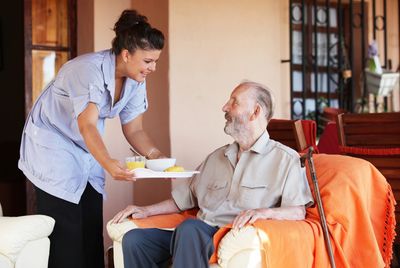
Independent living communities are designed for active seniors who want a maintenance-free lifestyle with added services like dining, housekeeping, and social programming.
- Housing: Typically rented or leased (apartments, villas, or cottages).
- Services: Often includes daily meals, weekly housekeeping, transportation, and linen service.
- Amenities: Includes structured social, educational, and fitness programs.
- Care: Generally offers more security, such as 24-hour staff, emergency response systems, and sometimes on-site wellness centers.
- Lifestyle: Truly maintenance-free with on-site support if needed.
Assisted Living
Assisted living is a residential housing option for seniors or individuals needing assistance with daily tasks—such as bathing, dressing, medication management, and meals—but who do not require 24-hour skilled nursing care. These communities promote independence in a residential setting, offering social activities, housekeeping, and security, bridging the gap between independent living and nursing homes.
When to Consider Assisted Living
It may be time to consider a community if a loved one is struggling with daily chores, skipping medication, having trouble cooking, feeling isolated, or facing safety risks at home. Contact us for professional advice. We are Seniors Real Estate Specialists® (SRES®).
Key Aspects of Assisted Living
- Services Provided: Common services include 24-hour staffing, meals, medication management, housekeeping, laundry, and transportation.
- Living Environment: Residents usually live in private or semi-private apartments or rooms.
- Support Level: It is ideal for seniors who are, according to Where You Live Matters, "frail but not sick," needing help with activities of daily living (ADLs).
- Socialization: Communities offer scheduled activities, social events, and amenities like fitness centers or game rooms.
Long-Term Care/Nursing Home
A nursing home is a licensed residential facility that provides the highest level of care for people who cannot live independently, offering 24/7 skilled nursing care, assistance with daily living (meals, bathing, dressing), and rehabilitation services. These facilities are for people with chronic diseases, significant cognitive impairments like dementia, or those needing short-term post-hospital rehabilitation. Key features of nursing homes include:
- Medical Care: Licensed nurses are on-site 24 hours a day to manage complex medical needs.
- Services: They offer specialized care, including wound care, medication management, and intravenous therapy.
- Therapies: Residents have access to physical, occupational, and speech therapy.
- Residential Environment: While offering high-level medical attention, these facilities provide a "home-like" environment with personal space
Memory Care Facility
Memory Care Facilities are for:
- Individuals with Alzheimer's or dementia: Those needing specialized support.
- Those prone to wandering: 6 in 10 patients with dementia wander, requiring secured, alarmed environments.
- Individuals needing daily assistance: Those needing help with activities of daily living (ADLs), such as bathing, dressing, and eating.
Services Provided:
Memory care facilities provide a supportive, specialized environment with the following services:
- 24-Hour Supervised Security: Secured exits, enclosed outdoor areas, and constant monitoring to ensure safety.
- Specially Trained Staff: Employees trained to manage behavioral symptoms and provide memory-focused care.
- Memory-Focused Programming: Daily activities, such as art, music, and cognitive therapies, are designed for different stages of dementia.
- Assistance with ADLs: Dedicated support for bathing, medication management, and daily hygiene.
- Secure Environments: Often utilize design elements like sensory-based, familiar spaces to reduce confusion.
- Dining and Nutrition: Specialized meals to meet dietary needs, often designed to maximize nutritional intake and independence.
Aging in Place/Home Modifications
Most Seniors desire to age in place. They don't want to leave their home because the house and the community are familiar to them, and their friends are close by.
Assuming staying at home doesn't endanger the Senior, we can do Home Modifications to help the Senior be safe in their own home.
Some things that can be done:
- Grab bars in the shower and bathroom modifications
- Handrails
- Ramps
- Flooring - uneven floors and dangerous carpets
- Stair Lifts for 2-story homes
- Elevators
- Open floorplan
- Accessible door handles and cabinet pulls
- Alarms and video cameras